

International Eurasian Academy of Sciences, IEAS

Academician
Showcase the profiles of Academicians, gathering industry elites and experts to present their professional backgrounds and academic achievements, building an elite platform for member display and communication.
Home / Academician / Academician
Siwen BI
Academician
Siwen BI
Profile:
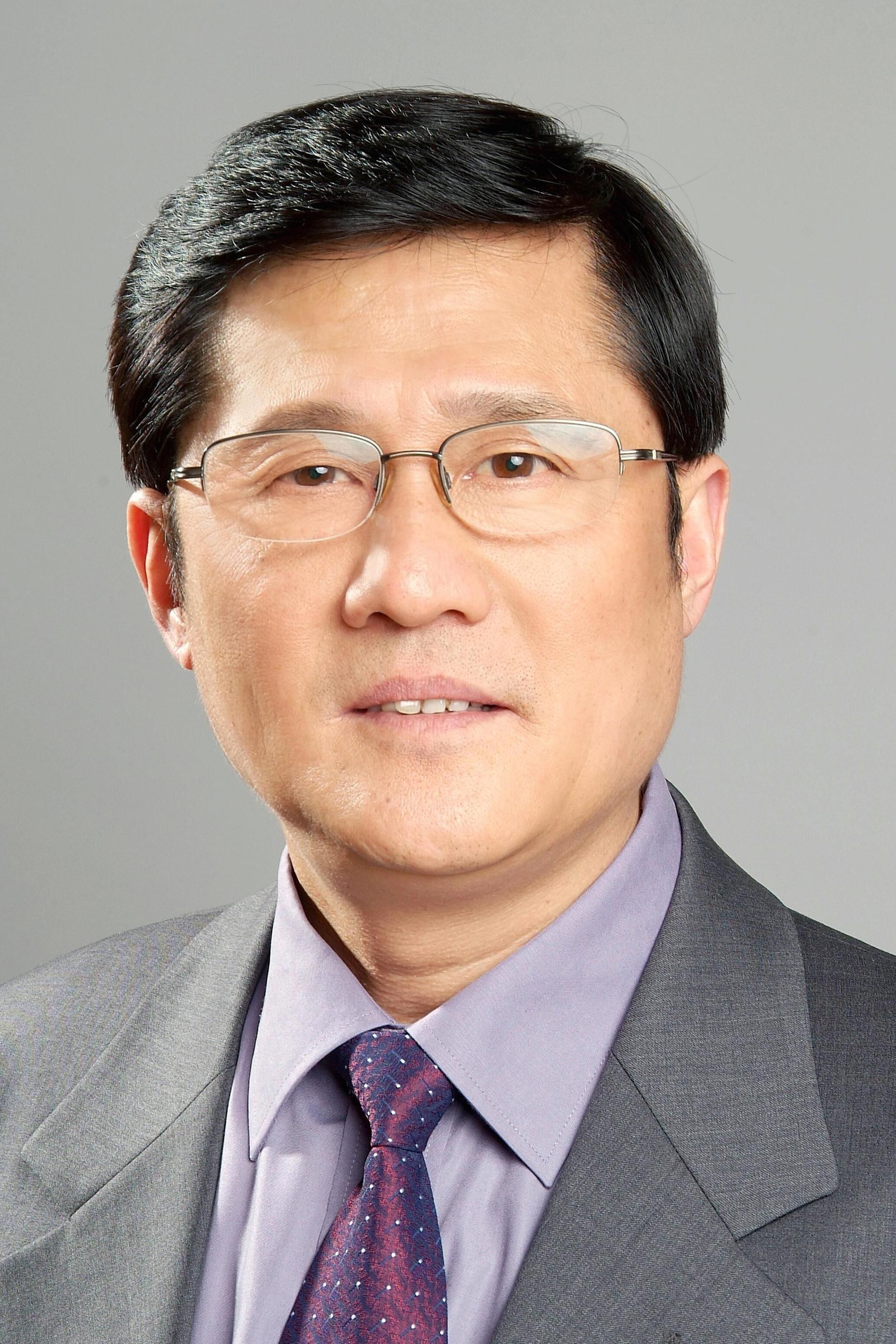
Prof. Dr. Siwen Bi (born 1956) is an Academician of the International Eurasian Academy of Sciences (IEAS), elected in 2016 and ratified in April 2017. He is a Research Professor and Doctoral Supervisor at the Aerospace Information Research Institute, Chinese Academy of Sciences (AIR-CAS), where he serves as Executive Deputy Director of the Key Laboratory of Remote Sensing Information Sciences. After receiving his B.Sc. from Anhui University of Science and Technology in 1982 and his M.Sc. from China University of Mining and Technology in 1990, he obtained his Ph.D. in Hydrogeology and Engineering Geology from the Institute of Geology and Geophysics, Chinese Academy of Sciences, in 1995. His subsequent academic career included postdoctoral research at Peking University and Tsinghua University, a visiting scholar appointment at the GeoForschungsZentrum Potsdam (GFZ), Germany, and Guest Professorships at the University of Science and Technology of China, Chengdu University of Technology, Capital Normal University, and the University of Potsdam, among others. He is also an Academician of the Russian Academy of Natural Sciences and the United Nations Academy of Sciences. His research spans Earth system science, quantum remote sensing, and the theoretical foundations of light, with Quantum Remote Sensing (QRS) representing his most significant contribution. Founded by Prof. Bi in 2001, QRS was developed into a comprehensive theoretical and technical framework encompassing quantum imaging mechanisms and spaceborne system engineering, culminating in the world’s first QRS imaging prototype in 2014.

Beyond QRS, Prof. Bi has made sustained contributions to Earth system science in China, authoring 14 monographs and more than 230 scholarly papers, including papers in Nature and over 35 other SCI-indexed journals. His works have been adopted as Ministry of Education textbooks and as graduate-level reference materials within the Chinese Academy of Sciences. His theoretical work on light has also led to the “Light String” concept, offering an original approach to the wave–particle duality problem and receiving the International Academician Congress Yingwei Award in 2024. Extending his research into interdisciplinary applications, his 18-paper series on Digital Human Microscopic Research—Quantum Human Body explores connections between quantum imaging and traditional Chinese medicine theory. His scientific leadership is reflected in his chairmanship of the SPIE International Conference on Quantum Remote Sensing since 2019, editorial board memberships of Science China and Acta Seismologica Sinica, and six provincial or ministerial-level Science and Technology Progress Awards.
