

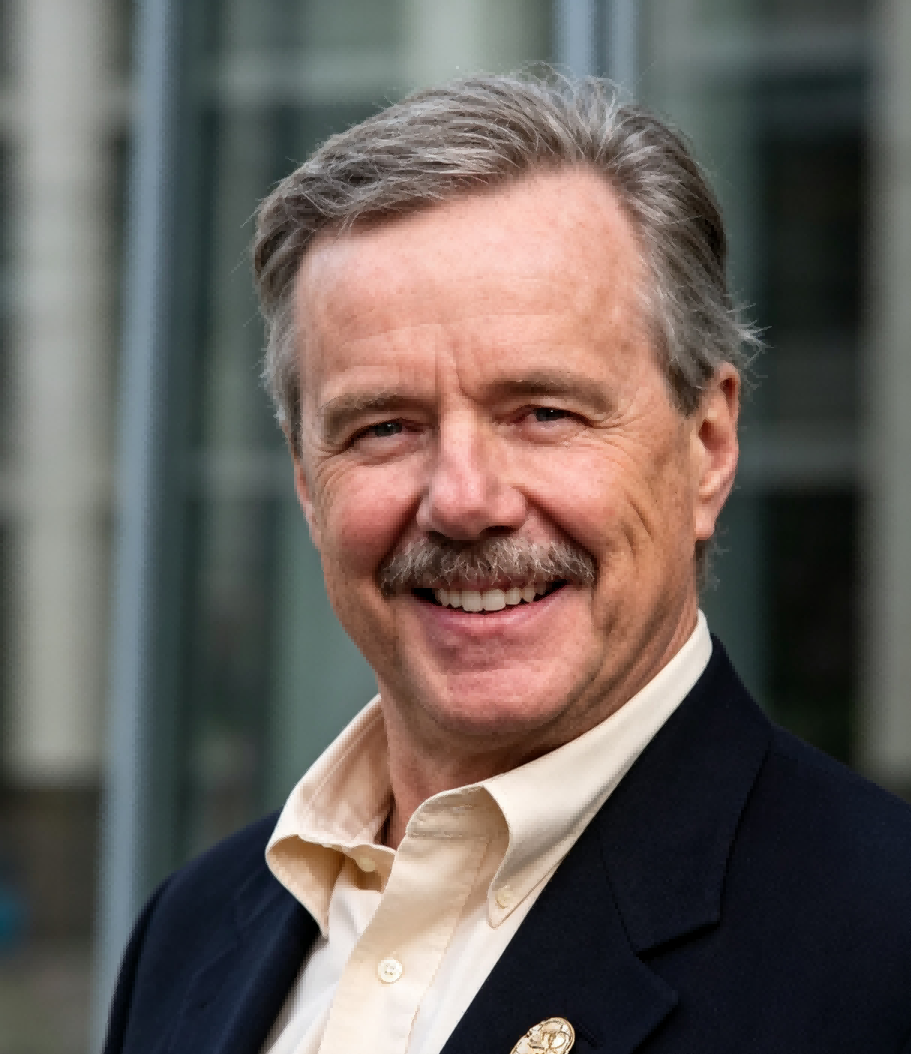
Professor Andreae’s research has made major contributions to understanding biosphere–atmosphere exchange and the role of atmospheric aerosols and trace gases in the Earth system. His work includes the development of the influential CLAW hypothesis, which proposed a feedback mechanism linking marine phytoplankton, atmospheric dimethyl sulfide, cloud albedo, and climate, as well as pioneering research establishing the global significance of biomass burning for atmospheric chemistry and climate. Extensive field campaigns in the Amazon Basin, equatorial Africa, and the world’s oceans have further advanced understanding of the sources, chemical evolution, and climatic effects of atmospheric aerosols and trace gases, particularly aerosol–cloud–precipitation interactions in tropical and near-pristine environments. He has authored more than 550 peer-reviewed publications, with approximately 50,000 citations and an h-index of 110. His representative publications, including studies published in Nature, Science, and Atmospheric Chemistry and Physics, span the CLAW hypothesis, aerosol effects on precipitation, biomass-burning emissions, and the properties of light-absorbing carbonaceous aerosols, reflecting a sustained scientific contribution to understanding atmospheric chemistry and the interactions between the biosphere and climate system.

The International Academy of Eurasian Sciences is an international scientific organisation established in January 1994 and registered in the United Nations as a non-governmental organisation of UNESCO.
International Eurasian Academy of Sciences ASEAN Centre
secretariat@ieasth.org membership@ieasth.org