

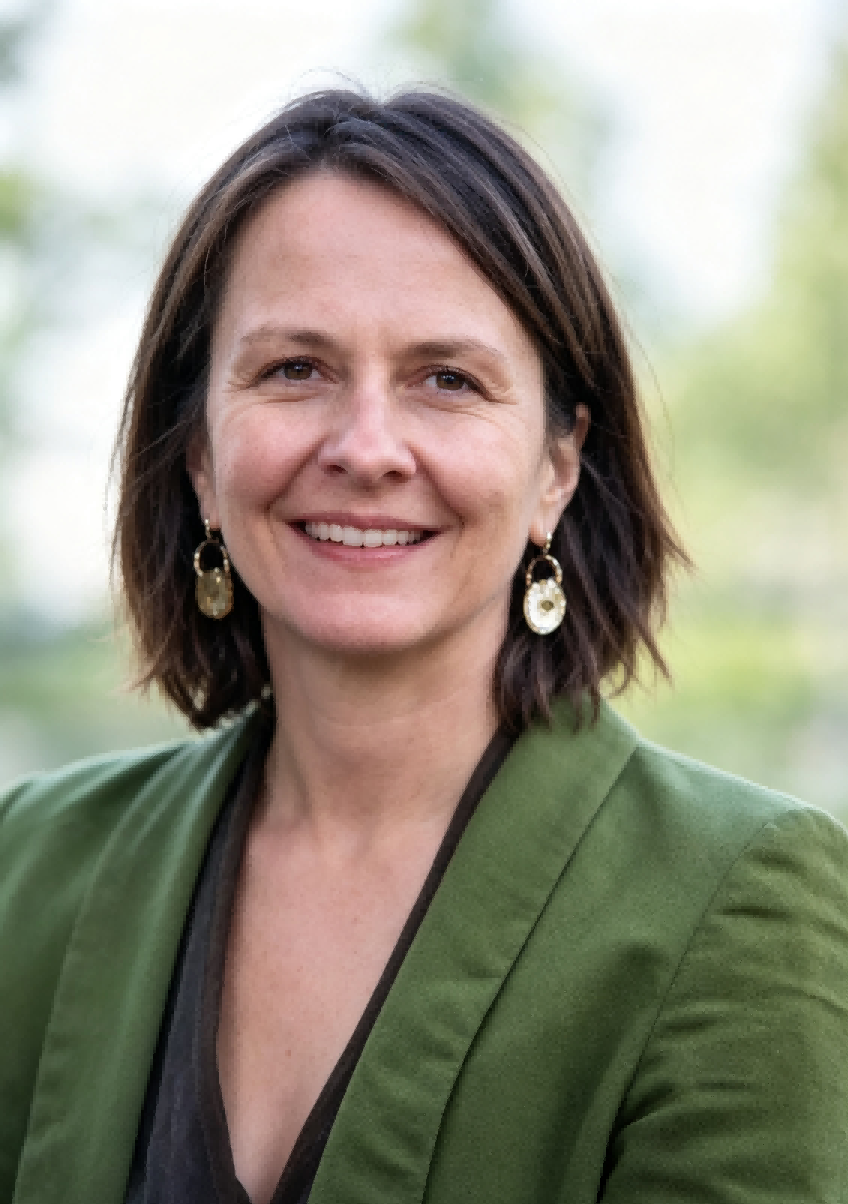
Professor Arneth’s research centres on the interactions between terrestrial ecosystems and the climate system, particularly the effects of land-use change, rising atmospheric CO₂, and global warming on biogeochemical cycles, vegetation dynamics, and biodiversity. Through dynamic global vegetation modelling and socio-ecological approaches, she has demonstrated the importance of terrestrial biogeochemical feedbacks in the climate system and provided the first global process-based assessment of plant isoprene emissions under environmental change. She has authored more than 200 peer-reviewed publications, with approximately 15,000 citations and an h-index of 62, and is consistently recognised among the world’s highly cited researchers. Her influence extends to international climate and biodiversity assessment, having served as Coordinating Lead Author of the IPCC Special Report on Climate Change and Land and the IPBES Global Assessment, as well as Lead Author of the joint IPBES–IPCC workshop report on biodiversity and climate change. Her representative publications in Nature Climate Change, Nature Geoscience, and Global Environmental Change address land-use emissions, terrestrial climate feedbacks, dietary transitions and biodiversity, land-system responses to climate targets, and the integration of human decision-making into land-based mitigation and adaptation, reflecting her sustained contribution to linking ecosystem science with global climate and sustainability policy.

The International Academy of Eurasian Sciences is an international scientific organisation established in January 1994 and registered in the United Nations as a non-governmental organisation of UNESCO.
International Eurasian Academy of Sciences ASEAN Centre
secretariat@ieasth.org membership@ieasth.org