

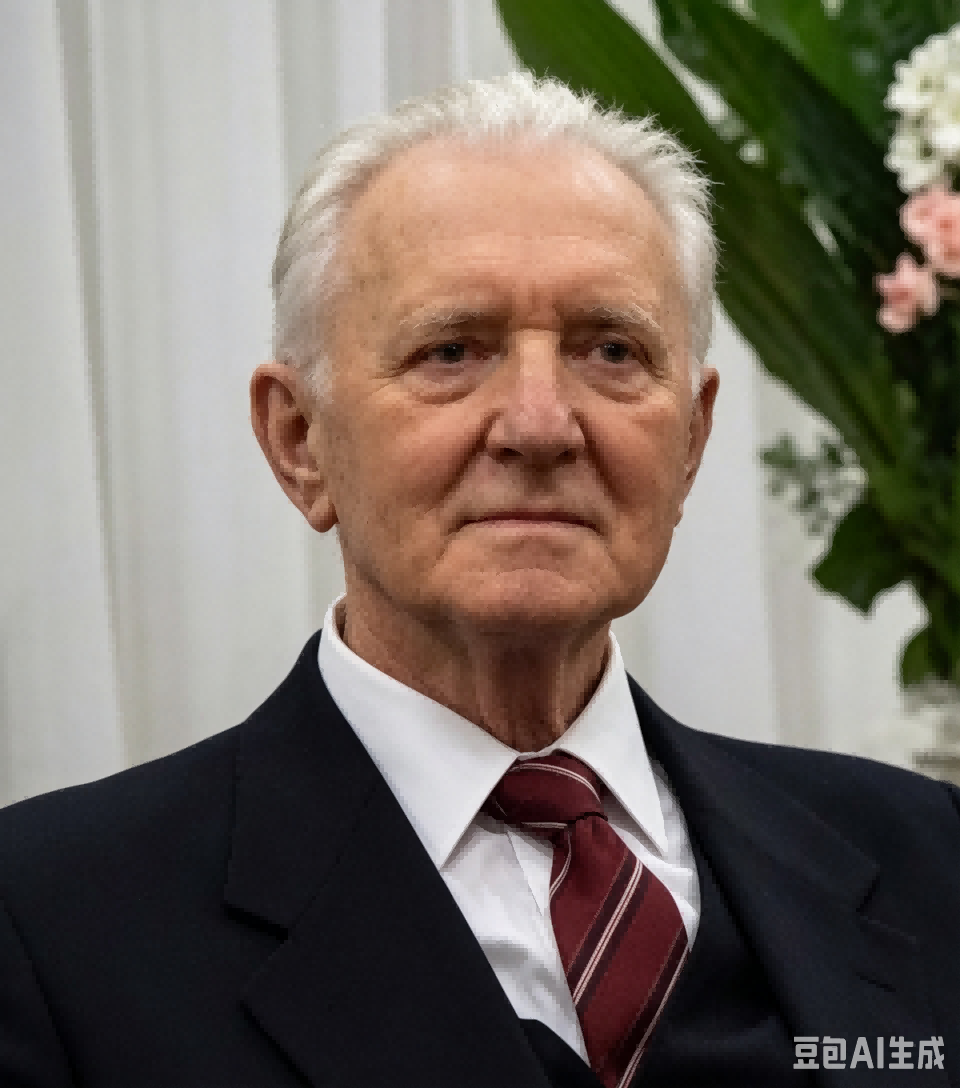
With more than 520 publications, twelve monographs, and approximately 4,600 citations, Professor Bartmiński’s scholarship profoundly influenced the study of language as a cultural phenomenon. His theory of the linguistic worldview (językowy obraz świata) and the method of cognitive definition demonstrated how language encodes collective memory, ethical values, and cultural identity. Initiated in 1996, his major lexicographic work, the Dictionary of Folk Stereotypes and Symbols (Słownik stereotypów i symboli ludowych), represents a landmark contribution to Slavic ethnography and cultural linguistics. His representative works—including Jazykovoj obraz mira (2005), Językowe podstawy obrazu świata (2006), Stereotypy mieszkają w języku (2007), Aspects of Cognitive Ethnolinguistics (2009), and the co-authored Tekstologia (2009)—reflect a sustained intellectual endeavour to explain how language shapes, preserves, and transmits collective understandings of culture, identity, and values across generations and linguistic communities.

The International Academy of Eurasian Sciences is an international scientific organisation established in January 1994 and registered in the United Nations as a non-governmental organisation of UNESCO.
International Eurasian Academy of Sciences ASEAN Centre
secretariat@ieasth.org membership@ieasth.org