

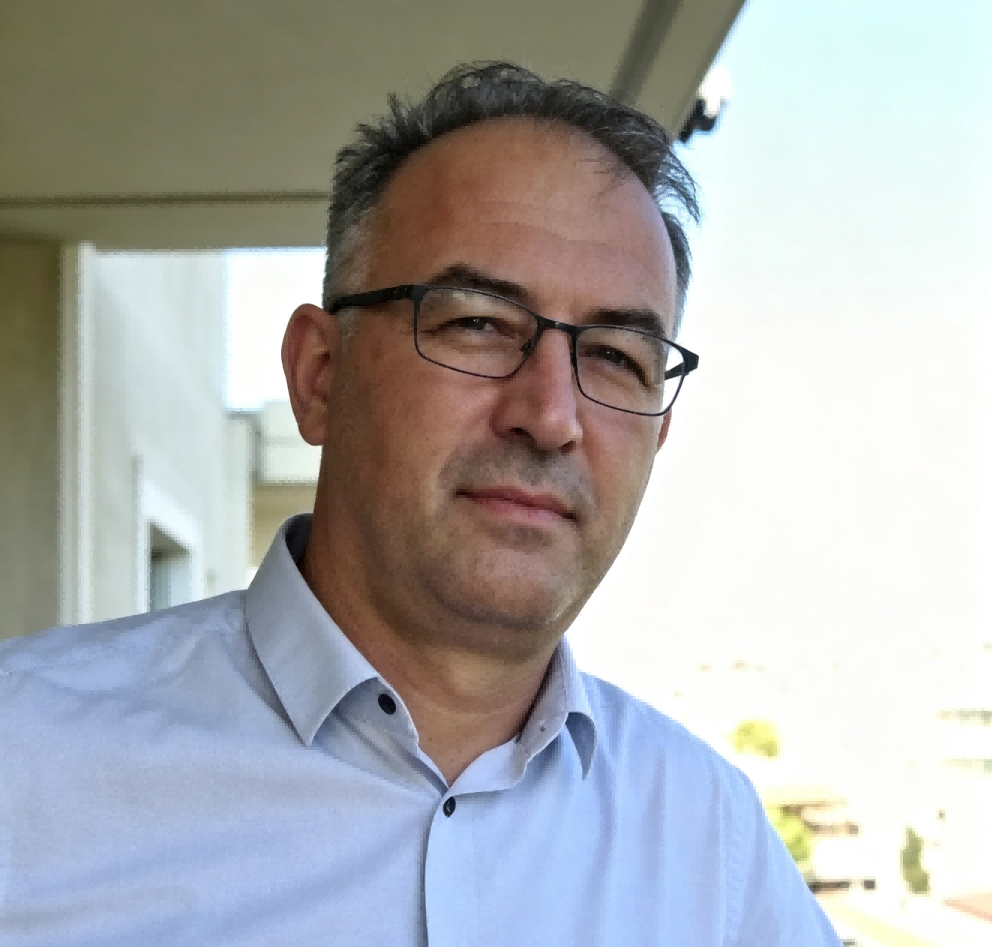
Dr. Eleftheriadis’s research focuses on the physicochemical characterisation of atmospheric aerosols, advanced sampling and measurement techniques, and the application of nuclear analytical methods to environmental science, with particular emphasis on climate-active aerosol species, nanoparticle metrology, source apportionment, and human exposure to heavy metals and radioactive pollutants. Through sustained leadership of field campaigns in the Arctic, Eastern Mediterranean, and urban environments, he has advanced understanding of aerosol mass variability, long-term black carbon dynamics in the European Arctic, and the influence of local and regional sources on urban air quality in Athens. His representative studies address long-term aerosol black carbon observations at Zeppelin Station in Svalbard, urban aerosol source apportionment and size distribution, aerosol variability in Athens, pollution sources and aerosol mixing state, and the composition of nucleation-mode particles in the High Arctic. Collectively, his work reflects a sustained contribution to fundamental aerosol science and its application to air-quality management, climate assessment, and environmental health across the Eurasian region.

The International Academy of Eurasian Sciences is an international scientific organisation established in January 1994 and registered in the United Nations as a non-governmental organisation of UNESCO.
International Eurasian Academy of Sciences ASEAN Centre
secretariat@ieasth.org membership@ieasth.org