

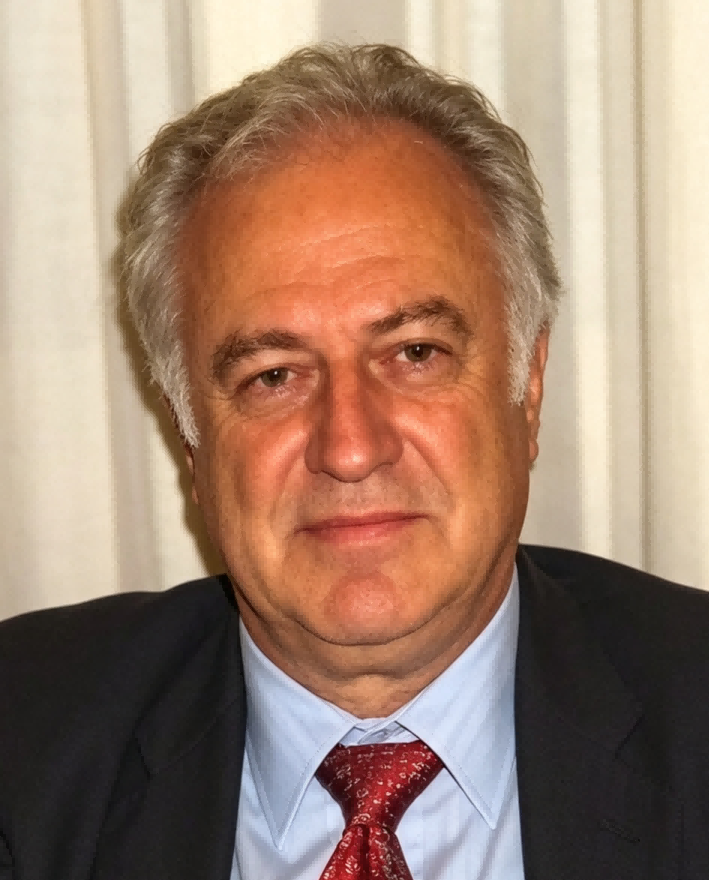
His research centres on the design, modelling, and control of aerospace systems, particularly unmanned aerial vehicles, hybrid propulsion, avionics integration, and semi-natural flight-control simulation. Author of 290 scientific publications and 15 monographs and textbooks, he holds more than 65 rationalisations, patents, and licences, including eleven implemented innovations with significant economic impact. His representative works address hybrid propulsion for multirotor UAVs, catastrophic failure modelling in transport aircraft, trajectory optimisation for UAV surveillance, tandem helicopter and multirotor configurations, and unmanned aerial monitoring systems for urban environments. Together, these contributions reflect a career spanning the Intercosmos era to the contemporary development of autonomous flight, advancing aerospace control technologies while supporting applications in environmental monitoring, national security, and space exploration.

The International Academy of Eurasian Sciences is an international scientific organisation established in January 1994 and registered in the United Nations as a non-governmental organisation of UNESCO.
International Eurasian Academy of Sciences ASEAN Centre
secretariat@ieasth.org membership@ieasth.org