

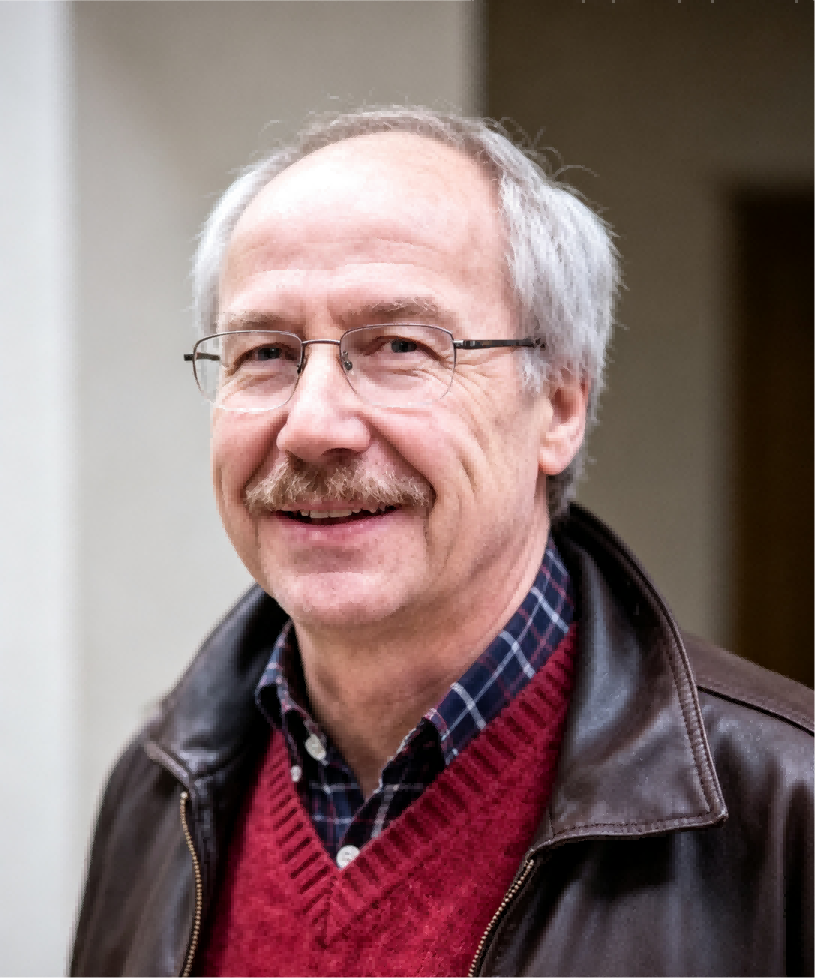
His research is centred on the sources, transformation, and climatic effects of atmospheric particulate matter, with particular emphasis on black carbon, sulfate aerosols, and new-particle formation across urban, regional, and Arctic environments. By integrating pan-European observation systems, global climate modelling, and targeted field campaigns, he has demonstrated how the location and magnitude of regional black-carbon emissions determine their influence on surface temperature, how historical reductions in European air pollution have contributed to amplified Arctic warming, and how future aerosol-emission reductions may alter the balance between greenhouse-gas forcing and regional climate response. Author of more than 175 peer-reviewed publications, with an h-index of 49, over 9,100 citations, and five papers in Nature and Science, his work has contributed substantially to both fundamental aerosol science and international policy discussions on short-lived climate forcers. The five selected publications below—covering the surface-temperature response to regional black-carbon emissions (Atmospheric Chemistry and Physics, 2020), local and remote temperature responses to regional SO₂ emissions (Atmospheric Chemistry and Physics, 2019), future temperature and precipitation responses to reduced aerosol emissions and increased greenhouse-gas concentrations (Journal of Climate, 2017), the amplification of Arctic warming associated with European air-pollution reductions (Nature Geoscience, 2016), and new insights into particle formation from a pan-European observing system (Scientific Reports, 2018)—encapsulate a career dedicated to connecting process-level aerosol research with the broader challenges of climate mitigation, air-quality management, and sustainable environmental stewardship across the Eurasian region.

The International Academy of Eurasian Sciences is an international scientific organisation established in January 1994 and registered in the United Nations as a non-governmental organisation of UNESCO.
International Eurasian Academy of Sciences ASEAN Centre
secretariat@ieasth.org membership@ieasth.org