

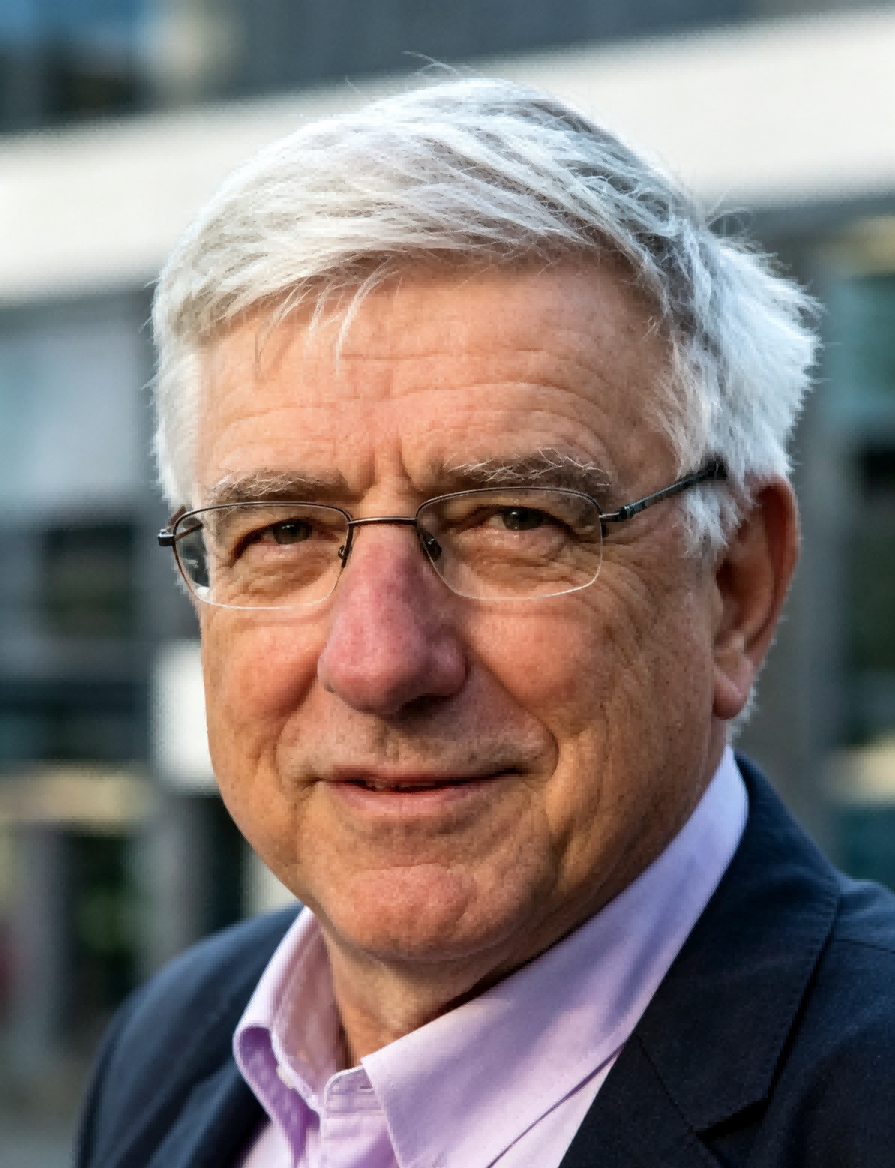
His research has centred on the observation, analysis, and modelling of the global carbon cycle and its interaction with the physical climate system, with particular emphasis on long-lived biogeochemical trace gases and the development of global, continental, and regional observing systems. He pioneered the Carbon Cycle Data Assimilation System (CCDAS), integrating atmospheric, terrestrial, and oceanic observations with process-based models to constrain carbon fluxes and their feedbacks within the climate system. Through his coordination of CarboEurope-IP and the Siberian Terrestrial Carbon Observing System, he has played a major role in developing the scientific infrastructure for international carbon-cycle monitoring. Author of 269 peer-reviewed publications, with an h-index of 77, more than 21,500 citations, and twenty papers in Nature and Science, his work ranks among the most influential contributions to contemporary Earth system science. The five selected publications from 2019—covering the FLUXNET-CH₄ synthesis of methane observations, high-precision greenhouse-gas measurements at Ambarchik on the Siberian coast, air–sea carbon fluxes in the Benguela upwelling system, calibration of stomatal-conductance parameters in the JSBACH land-surface model, and the recent weakening of net carbon uptake across northern high latitudes under warming—illustrate the breadth of his continuing contribution to quantifying biosphere–atmosphere exchange and assessing its vulnerability to climate change.

The International Academy of Eurasian Sciences is an international scientific organisation established in January 1994 and registered in the United Nations as a non-governmental organisation of UNESCO.
International Eurasian Academy of Sciences ASEAN Centre
secretariat@ieasth.org membership@ieasth.org