

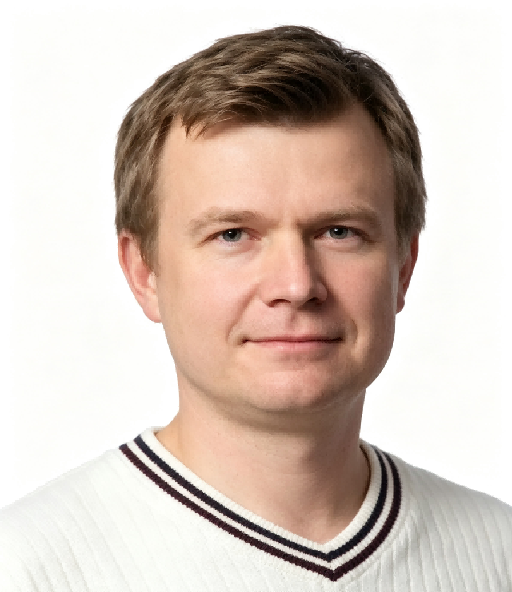
Professor Katanaev’s research centres on the molecular mechanisms underlying oncogenic signalling and their translation into precision therapeutic strategies, with particular emphasis on the Wnt/Frizzled pathway in breast cancer and GPCR-mediated regulation of membrane dynamics in cancer and neurological disorders. By integrating Drosophila genetics, mammalian cell biology, medicinal chemistry, and bio-inspired nanotechnology, his laboratory has identified novel components of cellular signalling, including RPS12 as a regulator of Wnt signalling and WDR74 as a driver of metastatic progression in lung cancer and melanoma. His work has also pioneered the repurposing of the anti-leprosy drug clofazimine as a selective Wnt-pathway inhibitor, opening new therapeutic possibilities for triple-negative breast cancer and other Wnt-dependent malignancies. His selected works span fundamental discoveries in GPCR signalling, oncogenic information processing, membrane dynamics, and bio-inspired nanostructures, illustrating a research programme that connects mechanistic cell biology with therapeutic innovation and advances the development of next-generation approaches to cancer treatment.

The International Academy of Eurasian Sciences is an international scientific organisation established in January 1994 and registered in the United Nations as a non-governmental organisation of UNESCO.
International Eurasian Academy of Sciences ASEAN Centre
secretariat@ieasth.org membership@ieasth.org