

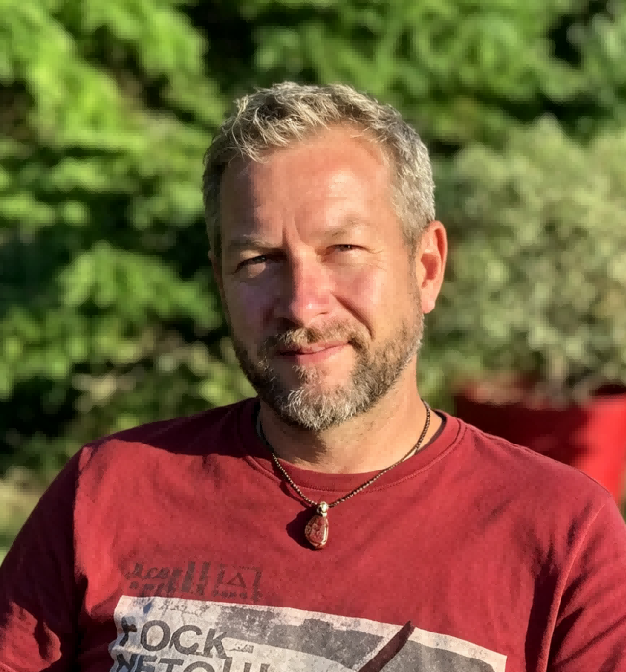
Dr. Noe’s research has focused on the exchange of greenhouse gases, reactive trace gases, and aerosols between hemiboreal forest ecosystems and the atmosphere, with particular emphasis on biogenic volatile organic compound (BVOC) emissions, carbonyl sulfide (COS) fluxes, and the modelling of forest ecosystem dynamics under environmental stress. By integrating eddy-covariance measurements, plant physiological experiments, and complex-systems modelling, he has investigated how factors including drought, elevated CO₂, and insect herbivory modify biosphere–atmosphere interactions across scales ranging from individual leaves to forest landscapes. He has authored 49 peer-reviewed publications, with an h-index of 16 and more than 750 citations, and has supervised doctoral and master’s researchers in Estonia, Finland, and the wider Nordic–Baltic region. His selected works examine COS exchange across European ecosystems, the effects of gall-forming insects on global BVOC emissions, the relationship between solar-induced chlorophyll fluorescence and gross primary productivity, aerosol effects on solar radiation and forest productivity, and seasonal variations in reactive trace gases over hemiboreal forests. Collectively, these contributions demonstrate a sustained research programme linking process-based ecosystem science with long-term atmospheric observation and the assessment of climate and environmental change in northern Eurasia.

The International Academy of Eurasian Sciences is an international scientific organisation established in January 1994 and registered in the United Nations as a non-governmental organisation of UNESCO.
International Eurasian Academy of Sciences ASEAN Centre
secretariat@ieasth.org membership@ieasth.org