

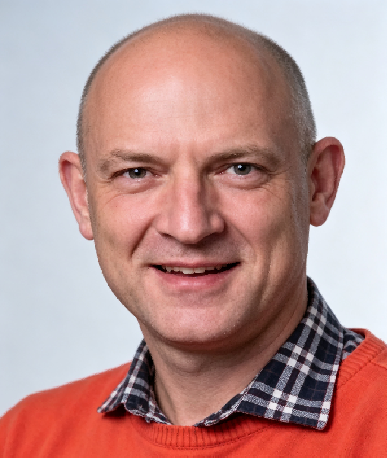
Professor Skov’s research has focused on the transport, transformation, and deposition of mercury, persistent organic pollutants, and aerosols in the High Arctic atmosphere, with particular emphasis on atmospheric mercury depletion events, biogenic and anthropogenic sources of Arctic aerosols, and the influence of short-lived climate forcers on regional climate. Through long-term observations at Station Nord, he has advanced understanding of the temporal variability of gaseous elemental mercury, the contribution of organic biogenic aerosols to Arctic cloud condensation nuclei during summer, and the relationship between aerosol size distributions and chemical composition in the European High Arctic. He has authored 109 peer-reviewed publications, with an h-index of 35 and more than 3,300 citations, including a paper published in Geophysical Research Letters. He has also served as principal author of a major report for the United Nations Environment Programme (UNEP) on atmospheric mercury, contributing scientific evidence to international efforts to control mercury pollution. His selected works examine long-term variability in gaseous elemental mercury at Station Nord, the contribution of organic biogenic aerosols to Arctic cloud condensation nuclei, aerosol size distributions and chemical composition in the European High Arctic, biogenic and anthropogenic aerosol sources at the Villum Research Station, and gaseous elemental mercury fluxes during atmospheric mercury depletion events. Collectively, these contributions reflect a sustained research programme linking fundamental atmospheric chemistry with long-term Arctic observation and the scientific assessment of pollutant transport, environmental change, and climate impacts in the rapidly changing Arctic environment.

The International Academy of Eurasian Sciences is an international scientific organisation established in January 1994 and registered in the United Nations as a non-governmental organisation of UNESCO.
International Eurasian Academy of Sciences ASEAN Centre
secretariat@ieasth.org membership@ieasth.org