

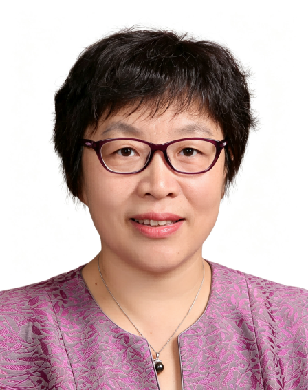
Professor Cao’s research has focused on the molecular mechanisms underlying epigenetic regulation in plants, particularly DNA methylation, histone modification, and small RNA pathways, and their roles in plant development, environmental responses, and transgenerational plasticity. By integrating genetics, genomics, and biochemistry, her research has advanced understanding of how chromatin regulators control developmental processes such as flowering time and leaf development, as well as plant adaptation to environmental stress. Her work has further demonstrated how epigenetic reprogramming can contribute to rapid and heritable responses to changing environmental conditions, providing important insights into the molecular basis of developmental plasticity. She has authored more than 200 peer-reviewed publications in leading journals, including Nature, Science, Cell, and Nature Genetics, with an h-index exceeding 50 and thousands of citations. Her research also has implications for crop improvement, particularly through the potential use of epigenetic mechanisms to enhance agricultural productivity and resilience without directly altering DNA sequences. Through sustained leadership of national research programmes and participation in international scientific collaborations, Professor Cao has contributed to linking fundamental advances in plant epigenetics with broader challenges in crop improvement, food security, and sustainable agriculture.

The International Academy of Eurasian Sciences is an international scientific organisation established in January 1994 and registered in the United Nations as a non-governmental organisation of UNESCO.
International Eurasian Academy of Sciences ASEAN Centre
secretariat@ieasth.org membership@ieasth.org