

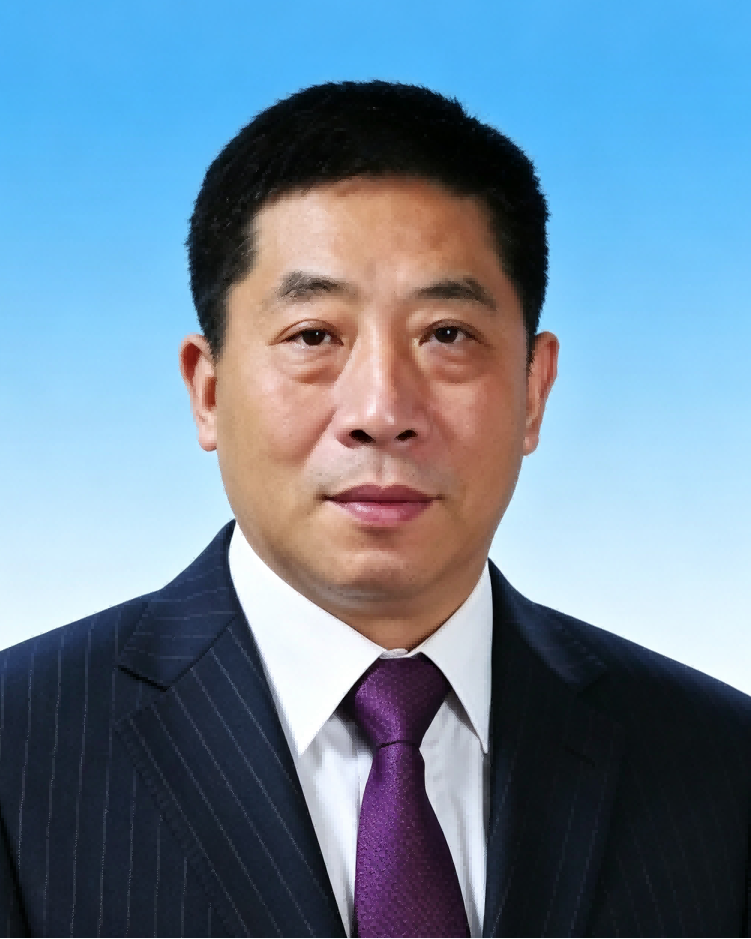
Professor Chen’s research has focused on the theoretical development, technological innovation, and clinical standardisation of integrated Chinese–Western rehabilitation medicine, with particular emphasis on functional recovery following stroke. His work has established a systematic research framework spanning traditional Chinese rehabilitation theory, integrated rehabilitation technologies, and rehabilitation equipment. He developed the first assessment tool for stroke-specific functional disability in Chinese-speaking populations and led the development of the first domestically produced rehabilitation robot with independent intellectual property rights. He also established an integrated rehabilitation model combining acupuncture at core acupoints with modern rehabilitation training, with related protocols adopted by the Canadian Evidence-Based Review of Stroke Rehabilitation, Chinese national clinical pathways, and rehabilitation institutions in Germany, Switzerland, and the Netherlands. His research on Tai Chi as a traditional exercise therapy has further contributed to understanding its effects and mechanisms in cognitive and motor recovery, with findings published in leading SCI-indexed journals, including Brain, Behavior, and Immunity, and incorporated into international rehabilitation guidelines. He has authored more than 230 academic publications, including 129 SCI-indexed papers, and holds 23 national invention and utility-model patents and 17 software copyrights. He has supervised and trained more than 140 graduate students. As the first completer, he has received the National Science and Technology Progress Award (Second Prize), the First Prize of the Science and Technology Award of the China Association of Integrative Medicine, the First Prize of the Science and Technology Award of the Chinese Association of Rehabilitation Medicine, the First Prize of the Popular Science Works Award of the China Association of Chinese Medicine, and the Second Prize of the National Teaching Achievement Award. Collectively, these contributions reflect a sustained research programme connecting traditional Chinese medical approaches with modern rehabilitation science and advancing evidence-based integrated rehabilitation for neurological recovery.

The International Academy of Eurasian Sciences is an international scientific organisation established in January 1994 and registered in the United Nations as a non-governmental organisation of UNESCO.
International Eurasian Academy of Sciences ASEAN Centre
secretariat@ieasth.org membership@ieasth.org