

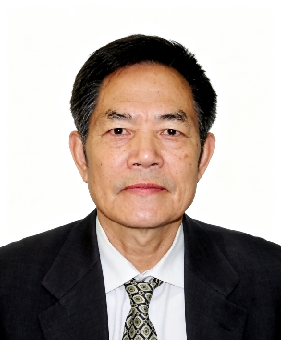
Professor Guo’s research has encompassed polymer chemistry, computational chemistry, and science and technology strategy and policy, with particular emphasis on the molecular design of functional polymers and the application of computational methods to chemical systems. Alongside his scientific work, he has played a sustained role in national science policy formulation and institutional governance, contributing to strategic planning within China’s scientific research system, reforms in the national academy system, and the development of research universities. During his tenure at USTC, he contributed to the advancement of the university’s research infrastructure and international academic engagement. He has authored numerous peer-reviewed publications in polymer and computational chemistry and has also contributed extensively to national discussions on science and technology policy. Collectively, his career reflects a sustained engagement with both fundamental chemical research and the institutional development of science and higher education, linking advances in chemical science with broader efforts to strengthen research capacity and innovation systems.

The International Academy of Eurasian Sciences is an international scientific organisation established in January 1994 and registered in the United Nations as a non-governmental organisation of UNESCO.
International Eurasian Academy of Sciences ASEAN Centre
secretariat@ieasth.org membership@ieasth.org