

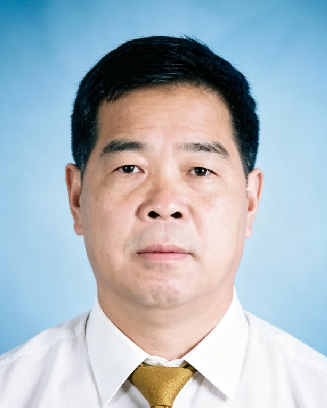
Professor Mao’s research has centred on urban and regional planning, regional sustainable development, and world geography, with particular emphasis on the spatial organisation of economic activities, urban agglomeration planning, and sustainable development strategies for China’s major economic regions. Through participation in and leadership of national regional planning projects, he completed the master plan for the Wuhan Urban Circle in 2005, contributing to research and practice in regional coordinated development. He received the Second Prize of the Chinese Academy of Sciences Natural Science Award in 1997 and has authored numerous peer-reviewed publications and regional planning reports. His work has addressed the relationship between economic geography, spatial organisation, and regional development, as well as the application of geographical approaches to urban and regional planning. Through sustained research, strategic planning practice, and international scientific collaboration, Professor Mao has contributed to connecting economic geography with practical questions of regional development, sustainable urbanisation, spatial planning, and regional governance.

The International Academy of Eurasian Sciences is an international scientific organisation established in January 1994 and registered in the United Nations as a non-governmental organisation of UNESCO.
International Eurasian Academy of Sciences ASEAN Centre
secretariat@ieasth.org membership@ieasth.org