

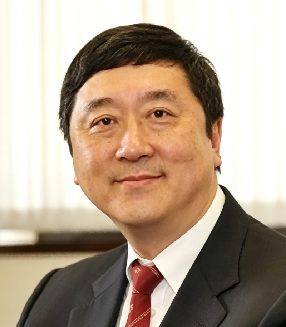
Professor Sung’s research has focused on Helicobacter pylori, peptic ulcer disease, gastrointestinal bleeding, colorectal cancer, and other digestive-system disorders. His research group established evidence for the relationship between H. pylori infection and peptic ulcer disease and demonstrated that antibiotic treatment could eradicate the infection and reduce ulcer recurrence; his work also contributed to the development and application of endoscopic treatment for ulcer bleeding. His research programme has subsequently expanded to colorectal cancer screening, digestive-system cancers, gut microbiome research, and the application of artificial intelligence in clinical medicine. He has published more than 1,000 scientific articles and authored or edited around 30 books and numerous textbook chapters. His contributions have been recognised through the Marshall and Warren Lecture Award, the World Gastroenterology Organisation Master Award, the World Outstanding Chinese Award, the Ho Leung Ho Lee Advancement Prize, and other national and international honours. During the 2003 SARS outbreak, he led a medical team involved in the clinical response and infection-control effort in Hong Kong. Through sustained clinical research, academic leadership, and medical education, Professor Sung has contributed to connecting advances in gastroenterology and translational medicine with clinical practice, disease prevention, public-health preparedness, and the development of medical education.

The International Academy of Eurasian Sciences is an international scientific organisation established in January 1994 and registered in the United Nations as a non-governmental organisation of UNESCO.
International Eurasian Academy of Sciences ASEAN Centre
secretariat@ieasth.org membership@ieasth.org