

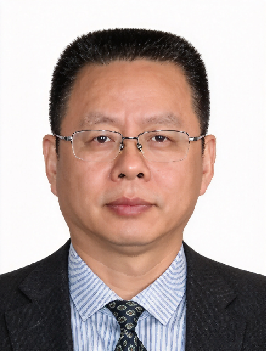
Professor Wang’s research has centred on neuroengineering, tissue engineering, and regenerative medicine, with particular emphasis on brain–computer interface technology, neural decoding, and the clinical translation of stem cell-based therapies. Through participation in and leadership of more than thirty national major research projects, including the National 863 Programme, where he served as a member of the thematic expert group for the 12th Five-Year Plan, and key projects supported by the National Natural Science Foundation of China, he has investigated neural activity patterns in the motor and sensory cortices of macaque monkeys and their application to brain–computer interface systems. These programmes have received cumulative funding of more than RMB 40 million and have contributed to research on neural decoding, brain–computer interfaces, and regenerative medicine. He has authored more than forty SCI-indexed publications and received the First Prize of the Beijing Science and Technology Progress Award and the Second Prize of the National Science and Technology Progress Award. Through sustained research, leadership of national medical research programmes, and scientific collaboration, Professor Wang has contributed to connecting advances in neuroengineering and tissue engineering with applications in brain–computer interfaces, regenerative medicine, and research related to military medicine and human performance.

The International Academy of Eurasian Sciences is an international scientific organisation established in January 1994 and registered in the United Nations as a non-governmental organisation of UNESCO.
International Eurasian Academy of Sciences ASEAN Centre
secretariat@ieasth.org membership@ieasth.org