

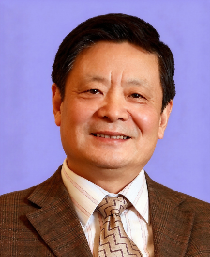
Professor Wang’s research has centred on TCM basic theory, TCM constitution science, andrology, and abdominal diagnosis, with particular emphasis on the theoretical development and systematic study of TCM constitution. He proposed the concept of TCM constitution theory and edited the monographs TCM Constitution Theory and TCM Constitution Science, contributing to the establishment of constitution science as a distinct area of TCM research. His studies of allergic and obese constitutions have addressed the relationship between individual constitutional characteristics and disease susceptibility. He also edited and published TCM Andrology, one of the early systematic monographs in China devoted to the subject. In the field of TCM abdominal diagnosis, he led a Ministry of Health research project that contributed to the preservation and further study of this diagnostic approach, including academic exchanges with researchers in China and Japan. His work in andrology, constitution science, and abdominal diagnosis has been included among recognised achievements in the development of TCM science and technology in modern China. He has also contributed to the theoretical study of TCM visceral manifestation theory and has authored numerous peer-reviewed publications and monographs while supervising researchers and practitioners in TCM. Through sustained research, academic leadership, and participation in national research programmes and international collaboration, Professor Wang has contributed to connecting traditional Chinese medical theory with systematic scientific research and to the development of TCM constitution science, clinical methodology, and postgraduate education.

The International Academy of Eurasian Sciences is an international scientific organisation established in January 1994 and registered in the United Nations as a non-governmental organisation of UNESCO.
International Eurasian Academy of Sciences ASEAN Centre
secretariat@ieasth.org membership@ieasth.org