

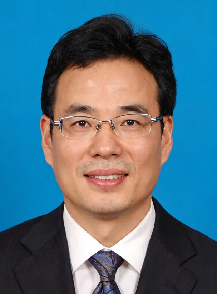
Professor Yan’s research has centred on the biochemical characterisation and utilisation of marine algae resources. He established research programmes in marine lipidomics and algal functional-factor analysis, and developed approaches for identifying and evaluating bioactive compounds in seaweeds and microalgae. His work identified and characterised algal antioxidants and other functional components, including phlorotannins, fucoxanthin, and agaro-oligosaccharides, and contributed to technologies for their preparation and utilisation. He also developed analytical methods for the structural characterisation of lipids in marine feed microalgae and established a large collection of feed-algal strains, including new diatom strains used in shellfish hatchery production. His research on the integrated utilisation of algal functional components led to industrial processes for the preparation of fucoxanthin, polyphenols, and polysaccharides, contributing to the development of marine biotechnology enterprises. In aquaculture, he developed relay seedling-raising and rotational cultivation approaches for laver and participated in programmes for the conservation and restoration of large yellow croaker resources. He has published 175 SCI-indexed papers, authored six monographs, and holds 91 authorised invention patents. As principal investigator, he has received a Second Prize of the National Science and Technology Progress Award and more than ten provincial and ministerial awards. Through sustained research, technology development, and university leadership, Professor Yan has contributed to connecting algae-resource chemistry with marine biotechnology, aquaculture, and the sustainable utilisation of marine biological resources.

The International Academy of Eurasian Sciences is an international scientific organisation established in January 1994 and registered in the United Nations as a non-governmental organisation of UNESCO.
International Eurasian Academy of Sciences ASEAN Centre
secretariat@ieasth.org membership@ieasth.org