

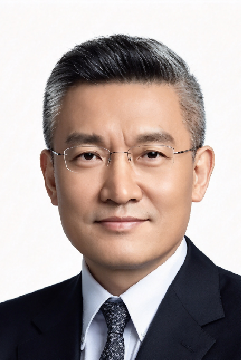
Professor Zhang’s research has centred on the epidemiology, pathogenesis, prevention, and treatment of allergic rhinitis and chronic rhinosinusitis. In 2005, he initiated a nationwide epidemiological survey of allergic rhinitis in China and subsequently established a national pollen-monitoring network, providing data that have supported the inclusion of pollen forecasts in meteorological services. His work on regional allergen panels has also contributed to more targeted and accessible allergen testing. He has investigated the effects of air pollutants on pollen allergenicity and developed diagnostic approaches based on eosinophils in nasal secretions to improve the differentiation of rhinitis subtypes. In chronic rhinosinusitis, his research has addressed endotype-based approaches to the diagnosis and treatment of nasal polyps. His team conducted a randomised controlled trial of the IL-4 receptor alpha monoclonal antibody stapokibart for moderate-to-severe seasonal allergic rhinitis, with results published in Nature Medicine in 2025. He has led more than 20 national research projects and contributed to multiple national and municipal science and technology awards. As first or corresponding author, he has published more than 560 papers, including over 260 in English, and has co-authored or edited 11 monographs. He has contributed to Chinese and international clinical guidelines on allergic rhinitis, allergen immunotherapy, and chronic rhinosinusitis, edited an English-language Springer monograph on chronic rhinosinusitis, and participated in the development of more than 20 international guidelines. Through sustained clinical and translational research, guideline development, and international collaboration, Professor Zhang has contributed to the development of rhinology and allergology in China and to its engagement with international research and clinical practice.

The International Academy of Eurasian Sciences is an international scientific organisation established in January 1994 and registered in the United Nations as a non-governmental organisation of UNESCO.
International Eurasian Academy of Sciences ASEAN Centre
secretariat@ieasth.org membership@ieasth.org