

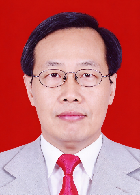
Professor Zhou’s research has centred on the biological removal of nitrogen and phosphorus from wastewater, particularly the theoretical basis and engineering optimisation of processes for controlling eutrophication. In 1998, he proposed an electron-flow conservation principle and an electron-stoichiometric methodology for biochemical reactions, establishing quantitative models for the simultaneous removal of nitrogen, phosphorus, and organic matter through analysis of electron transfer. He subsequently applied molecular biological approaches to investigate denitrifying phosphorus-accumulating organisms and identified new microbial species with flexible electron-acceptor pathways, providing additional evidence for the design of biological wastewater treatment processes. Building on this theoretical and microbiological research, his team developed biological treatment technologies and equipment for applications including industrial effluent, landfill leachate, and municipal and rural wastewater. His work has followed a continuous pathway from mechanism-based research through process development, equipment, intellectual property, engineering implementation, and industrial application, with more than 150 domestic and international patents licensed for use in multiple regions of China. His achievements have received a National Science and Technology Progress Award, China Patent Awards, a Ministry of Education Science and Technology Progress Award, and other national and provincial honours. He has published more than 340 SCI/EI papers and ten monographs. Through sustained theoretical research and its translation into engineering practice, Professor Zhou has contributed to the development of environmental biotechnology, biological nutrient removal, and water pollution control in China.

The International Academy of Eurasian Sciences is an international scientific organisation established in January 1994 and registered in the United Nations as a non-governmental organisation of UNESCO.
International Eurasian Academy of Sciences ASEAN Centre
secretariat@ieasth.org membership@ieasth.org